
1802 Draped Bust Half Dime
Introduction
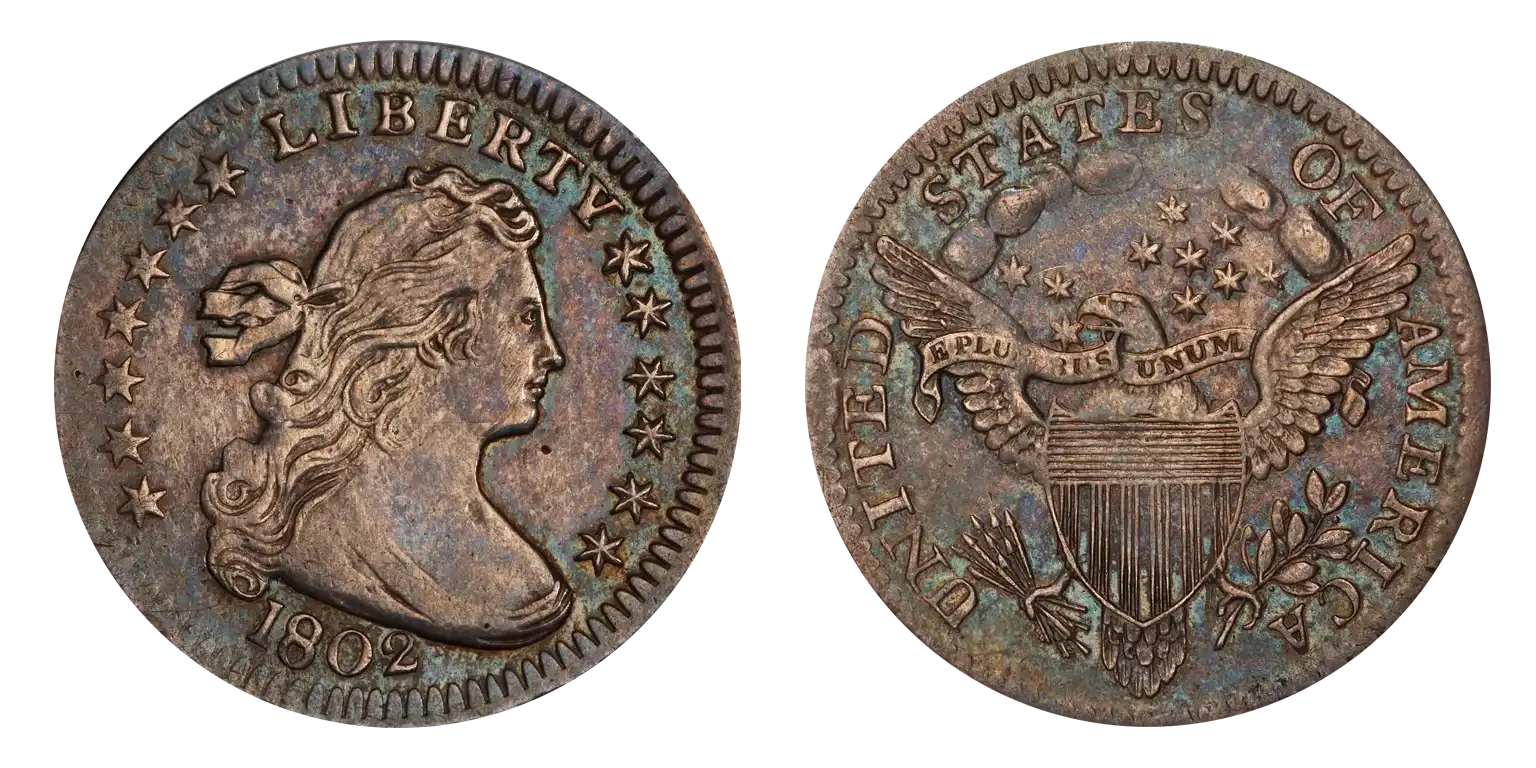
The 1802 Draped Bust Half Dime is a standout piece for numismatists, richly intertwined with early American history. This specific coin is steeped in rarity and intrigue, capturing the attention of collectors with its unique design and scarcity. The Draped Bust motif, designed by famed engraver Robert Scot, features the elegant portrayal of Liberty on the obverse and an enchanting small eagle on the reverse. Below is a detailed specification table alongside insights into the mintage of this rare piece.
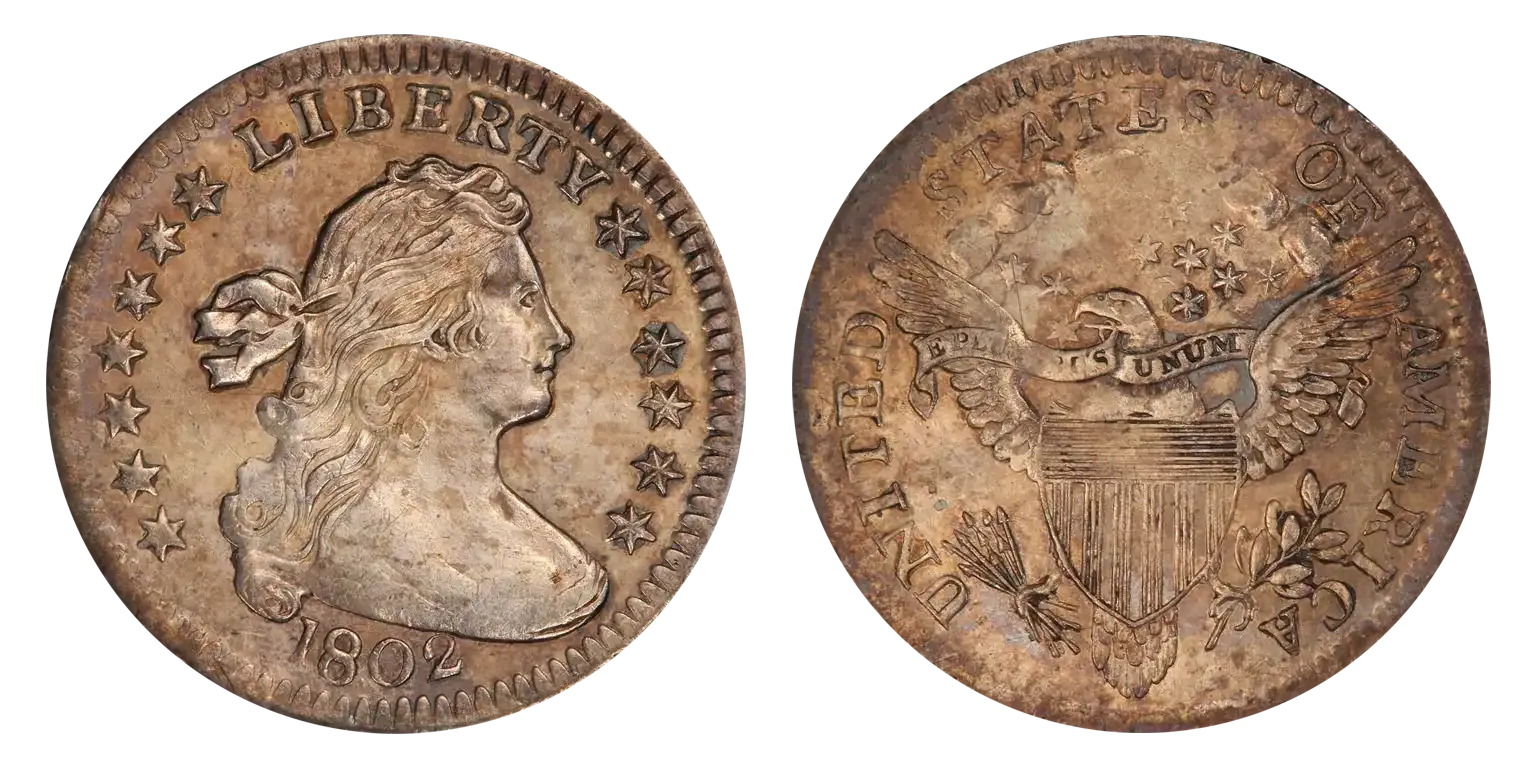
Coin Specifications
| Feature | Details |
|---|---|
| Year | 1802 |
| Designer | Robert Scot |
| Composition | 89.24% Silver, 10.76% Copper |
| Diameter | 16.5 mm |
| Weight | 1.35 grams |
Mintage
With only 3,060 pieces minted, the 1802 Draped Bust Half Dime is among the rarest coins produced by the early United States Mint, making it a prized possession for collectors. Such limited numbers contribute significantly to its desirability and value in the numismatic community.
Half Dime Values Value
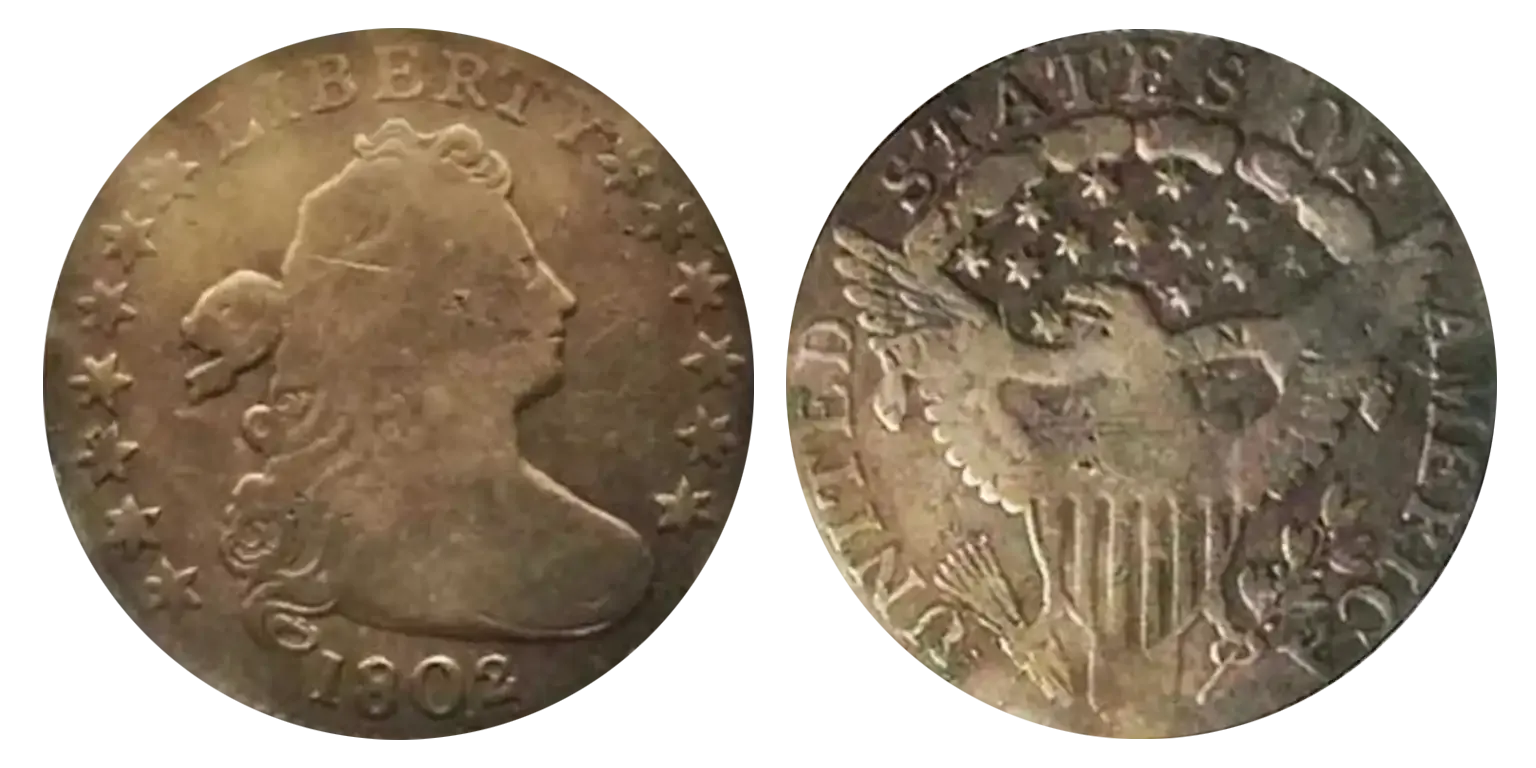
Understanding the value of an 1802 Draped Bust Half Dime involves considering several factors, including its historical mintage and condition. Coin values are approximate retail ranges and can vary based on the coin’s grade, the grading service used, auction results, and current market demand.
| Condition/Type | Average Value (USD) |
|---|---|
| Circulated | $35,000 - $150,000 |
| Uncirculated (MS60–MS66) | $200,000 - $2,000,000 |
| High-Grade Uncirculated (MS67+) | $2,500,000+ |
| Proof – Clad | Not applicable |
| Proof – Silver | Not applicable |
| Error Coins | Varies significantly |
Factors That Influence the Value
Mint Mark and Mintage: The 1802 Draped Bust Half Dime does not bear a mint mark, as it was produced at the Philadelphia Mint, the only operational U.S. Mint at the time. With only 3,060 coins minted, its scarcity significantly impacts its value.
Condition and Grade: Coins are graded on the Sheldon Scale, ranging from 1 to 70. A higher grade typically signifies a better-preserved coin, directly influencing its market worth.
Metal Composition: Unlike modern coins, this coin is composed of 89.24% silver and 10.76% copper, reflecting the precious metal standards of its era and contributing to its desirability.
Errors and Varieties: Authentic verified mint errors can pique collector interest and command premium prices. Variations in die, planchets, or striking process can make these coins particularly valuable. Ensuring authenticity through reliable grading and verification services is crucial when assessing their potential worth.
For more insight, check out our Coin ID Scanner app on iOS or Android.
Rarity and Errors of the Half Dime Values
The 1802 Draped Bust Half Dime stands out not only for its historical significance but also for its notable rarity, making it a highly sought-after piece among collectors. Errors and varieties in these coins attract significant attention due to their unique characteristics, and when authenticated, can greatly enhance the coin’s market value.
Noteworthy Errors
1802/1 Overdate Error This variety showcases an “1802” overstrike on “1801,” an occurrence during the preparation of the die. Collectors will notice a faint underlying “1,” sharply adding to its allure.
- Estimated Value: $30,000 – $60,000+
- Rarity Level: Very Rare
Die Clash Marks Occurring when the obverse and reverse dies smash together without a planchet in between, these clashed dies leave a mirrored imprint on subsequent coins.
- Estimated Value: $20,000 – $35,000+
- Rarity Level: Rare
Off-Center Strike Characterized by a shifted design due to misalignment during minting, the off-center strike presents one portion of the coin free from design.
- Estimated Value: $15,000 – $25,000+
- Rarity Level: Uncommon
Weak Strike Weakness Resulting from insufficient pressure during striking, this error leaves parts of the design less defined, a subtle error that can sometimes pass unnoticed.
- Estimated Value: $10,000 – $20,000+
- Rarity Level: Common
Impact on Value
Minor Errors
For minor errors such as light die chips or slight design inconsistencies, the impact on the coin’s value is usually modest. Collectors often seek these examples for their historical quirkiness rather than financial gain.
Major Errors
Dramatic errors, such as significant overdates or die clashes, can greatly enhance a coin’s worth due to their scarcity and visual appeal, often commanding higher prices at auction.
Condition Impact
Higher Mint State grades exponentially increase the value of error coins. An MS65 or above error coin is particularly prized for its rarity in such pristine condition.
Authentication
Verification by reputable agencies like PCGS or NGC is crucial for confirming the authenticity and precise value of error coins. Such certification instills confidence and can dramatically boost collector interest and market prices.
Mint Marks & Mintage
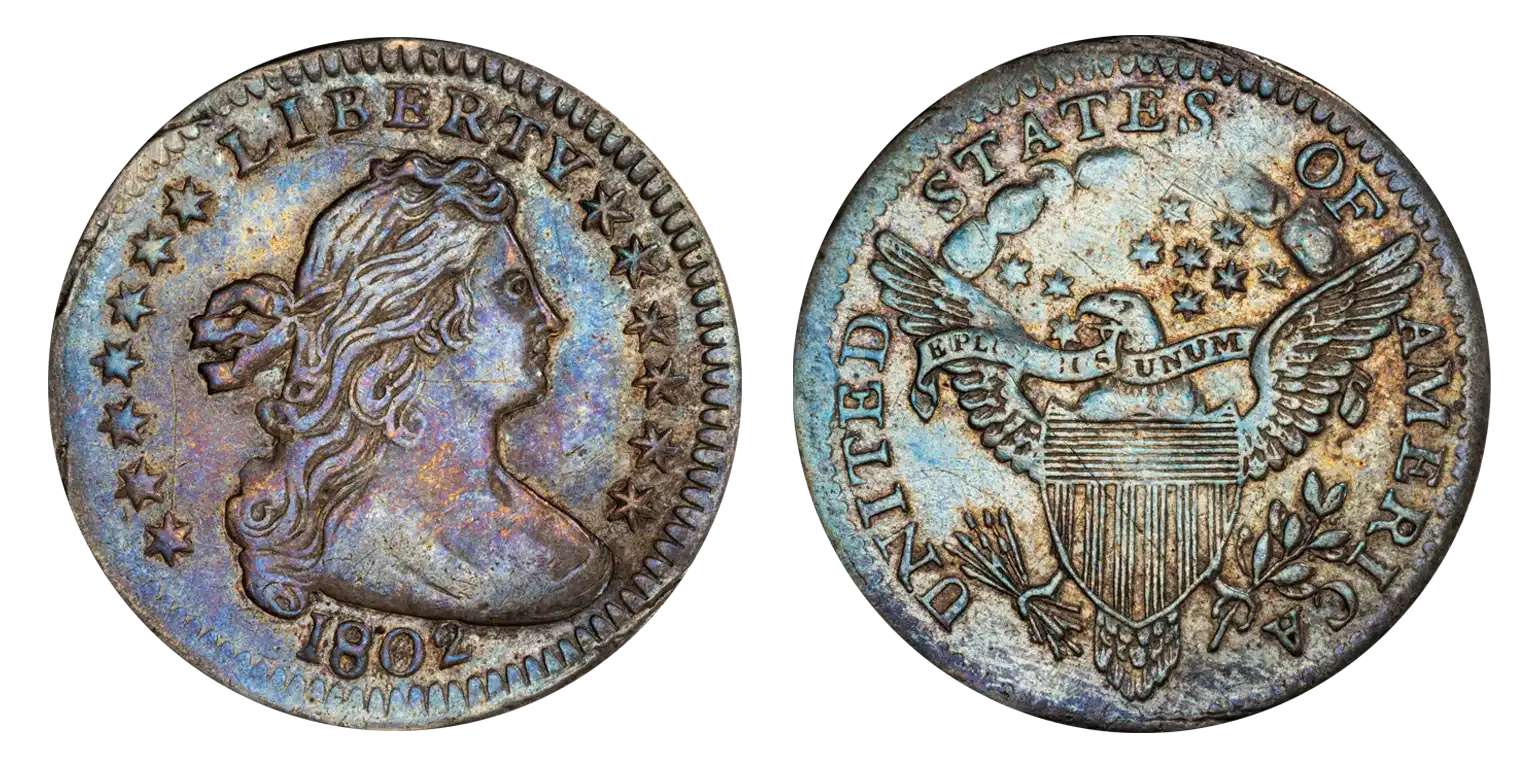
The 1802 Draped Bust Half Dime, an intriguing piece for collectors, is notable for its lack of a mint mark, a hallmark of early U.S. half dimes produced at the Philadelphia Mint. This mint was the sole producer of these coins during that period, which adds an element of exclusivity to their acquisition.
As it stands, the mintage for the 1802 Draped Bust Half Dime is shrouded in mystery, with no official figures available. Many numismatists speculate that the number minted was quite low, making this coin one of the rarities in American numismatic history.
Below is the mintage table for reference:
| Year | Mint Mark | Mintage |
|---|---|---|
| 1802 | None | Not publicly disclosed |
The scarcity in mintage combined with the absence of recorded numbers contributes significantly to the 1802 Draped Bust Half Dime’s allure. As dedicated hobbyists know, such factors can escalate both the desirability and the value of these historical coins among collectors.
Half Dime Values Facts and Trivia
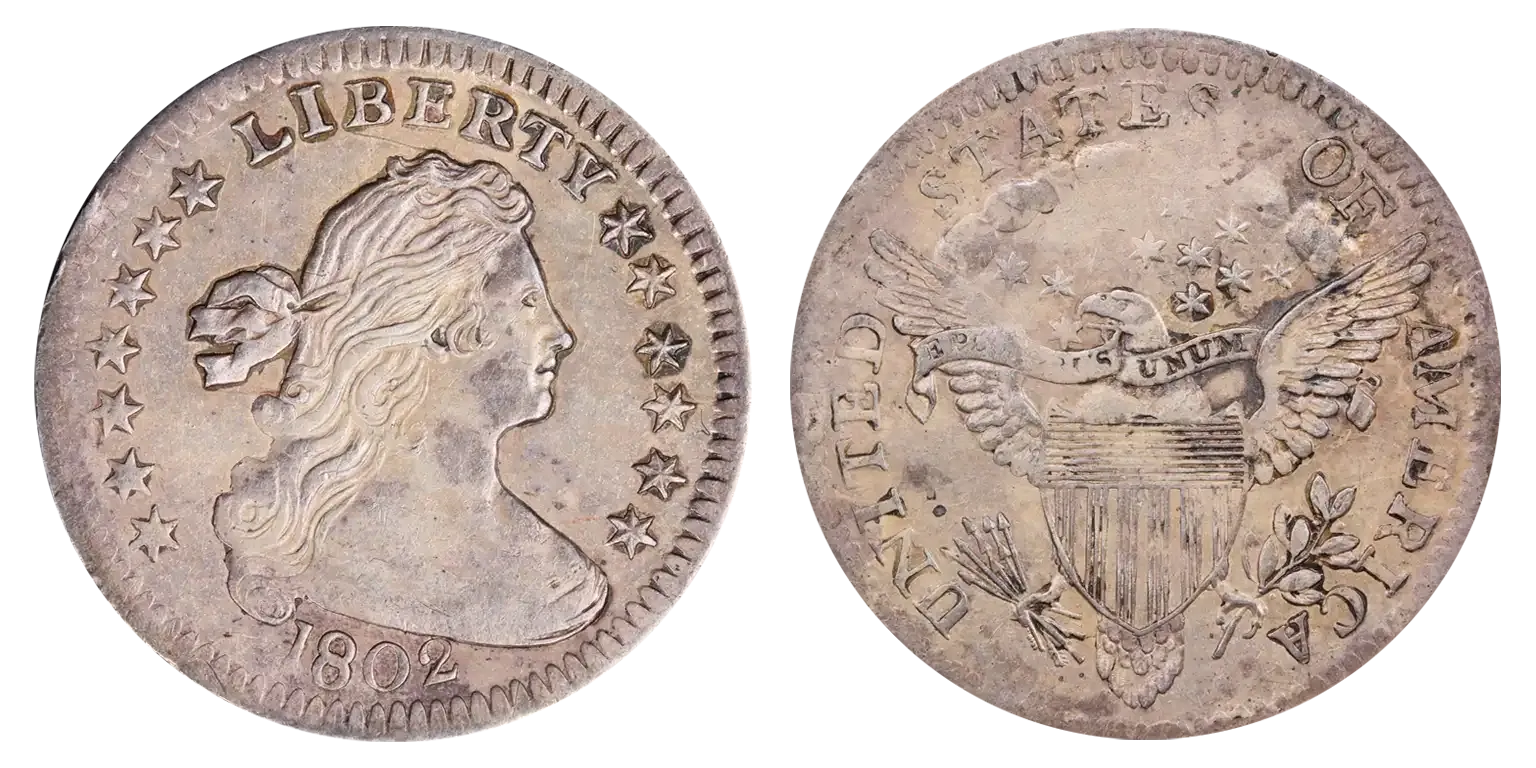
Design Details
Obverse: The obverse of the 1802 Draped Bust Half Dime features the elegant portrait of Liberty facing right, adorned with flowing hair. The design is framed by a ring of thirteen stars representing the original colonies.
Reverse: The reverse displays the symbolism of a heraldic eagle with a shield on its breast, clutching arrows and an olive branch, conveying both strength and peace.
Inscriptions: “LIBERTY”, “1802”, and “E PLURIBUS UNUM”
Release Information
Release Date: 1802
Series Context: The Draped Bust Half Dime was part of the broader Draped Bust series, which includes other denominations and was produced at the Philadelphia Mint.
Historical Significance: Minted at a time when the United States was still solidifying its identity, these coins reflect the early American desire for strong national symbols.
Quick Facts
- The 1802 Draped Bust Half Dime is known for its rarity due to low mintage numbers, increasing its allure amongst collectors.
- The design was inspired by portraits created by the acclaimed artist Gilbert Stuart, emphasizing classical beauty.
- Collectors treasure the 1802 Draped Bust Half Dime for being part of one of the early depictions of American coinage evolution.
Collecting an 1802 Draped Bust Half Dime
Collecting the 1802 Draped Bust Half Dime offers both seasoned and novice numismatists a rewarding dive into the rich history of early American coinage. Here are some practical steps to help you embark on this numismatic journey:
Research Historical Context - Understanding the historical backdrop of the 1802 Draped Bust Half Dime enriches the collecting experience. Learn about its release during the early years of the United States Mint and its limited mintage.
Condition Assessment with Coin ID Tools - Proper evaluation of a coin’s condition is crucial. Utilize the Coin ID Scanner App on iOS and Android to assist with preliminary assessments. These apps can help verify authenticity and detect flaws.
Focus on Certified Coins - Look for coins that have been authenticated and graded by renowned third-party grading services like PCGS or NGC. A certified grade provides assurance in value and authenticity.
Understand Varieties and Errors - Gain knowledge of known varieties and errors specific to the 1802 Draped Bust Half Dime. This knowledge can lead to the discovery of rarer pieces that could enhance the value of your collection.
Attend Coin Shows and Auctions - Engaging with other collectors and dealers at coin shows and auctions provides opportunities to acquire rare items. Networking within these communities also expands one’s knowledge and access to exclusive coins.
Set a Budget and Purchase Wisely - Establish a budget that accommodates your collecting goals. Whether your focus is on a specific grade or rarity, approach purchasing decisions with careful consideration of market trends.
Document Your Collection - Keep meticulous records of each coin, including purchase details, current market values, and any notable conditions or features. This documentation can prove invaluable for both insurance and future sales scenarios.
By following these steps, collectors can enjoy the process of assembling a meaningful collection that reflects both historical significance and personal passion.
FAQs on the 1802 Draped Bust Half Dime
What makes the 1802 Draped Bust Half Dime particularly valuable?
The 1802 Draped Bust Half Dime is extremely rare, making it highly sought after by collectors. Only a few specimens are known to exist, which significantly increases its worth and desirability.
How can I determine the condition of my 1802 Draped Bust Half Dime?
To accurately determine the condition, you should consider having your coin graded by a professional grading service. Factors like luster, wear, and any blemishes will play a role in its overall grade and value.
Are there any known errors for the 1802 Draped Bust Half Dime?
There are no widely recognized error varieties for the 1802 Draped Bust Half Dime. However, due to its scarcity, any unusual features could be of interest and should be evaluated by an expert.
What factors affect the price of an 1802 Draped Bust Half Dime?
The price is primarily influenced by the coin’s rarity, condition, and market demand. Provenance, or the coin’s historical ownership, can also impact its value in auctions.
Is it possible to find similar varieties to the 1802 Draped Bust Half Dime?
While the 1802 Draped Bust Half Dime doesn’t have immediate varieties, the Draped Bust design was used for other denominations, which might be of interest to collectors looking for similar historical coins.
Can I find an 1802 Draped Bust Half Dime in circulation today?
It is improbable to find an 1802 Draped Bust Half Dime in circulation due to its rarity and value. These coins are typically held by collectors or in museum collections.
How can I verify the authenticity of my 1802 Draped Bust Half Dime?
Authenticity can be verified by consulting with a professional numismatist or by submitting the coin to a reputable grading service. They can provide official certification for your coin.
Where can I find current market prices for an 1802 Draped Bust Half Dime?
Consulting recent auction results, numismatic publications, and databases can give you an idea of current market prices. Prices may fluctuate based on market conditions and collector interest.
What steps should I take to preserve my 1802 Draped Bust Half Dime?
To preserve its condition, store the coin in a protective holder, away from light, humidity, and air. Handling the coin by its edges and keeping it in a stable environment will help maintain its condition.
How scarce is the 1802 Draped Bust Half Dime compared to other early American coins?
The 1802 Draped Bust Half Dime is one of the most elusive U.S. coins, with only a handful of documented examples, making it rarer than many other early American coin series.